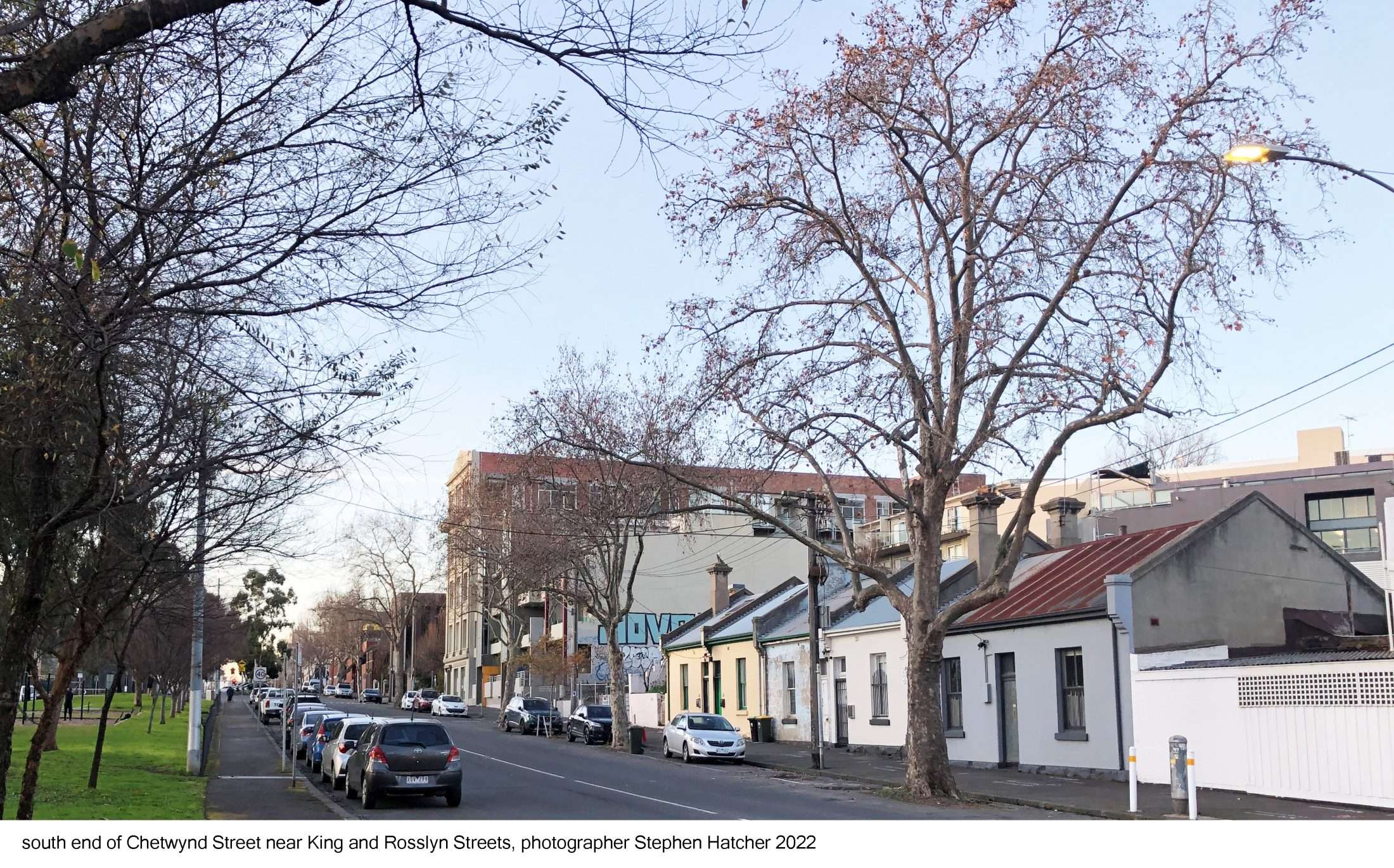
Named after Granville William Chetwynd Stapylton. Stapylton came to Australia in 1828 as assistant surveyor in New South Wales. While engaged in surveying the coast south of Brisbane, aborigines attacked his camp, and he was killed on the 31st May 1840. His body was brought to Brisbane. Stapylton has left behind him the name of his Paternal grandfather in our Chetwrnd Street, North Melbourne.(1) Source. (1) Northern Advertiser, 18/3/1971. Blanchard collection, “What’s in a Name” at North Melbourne Library.
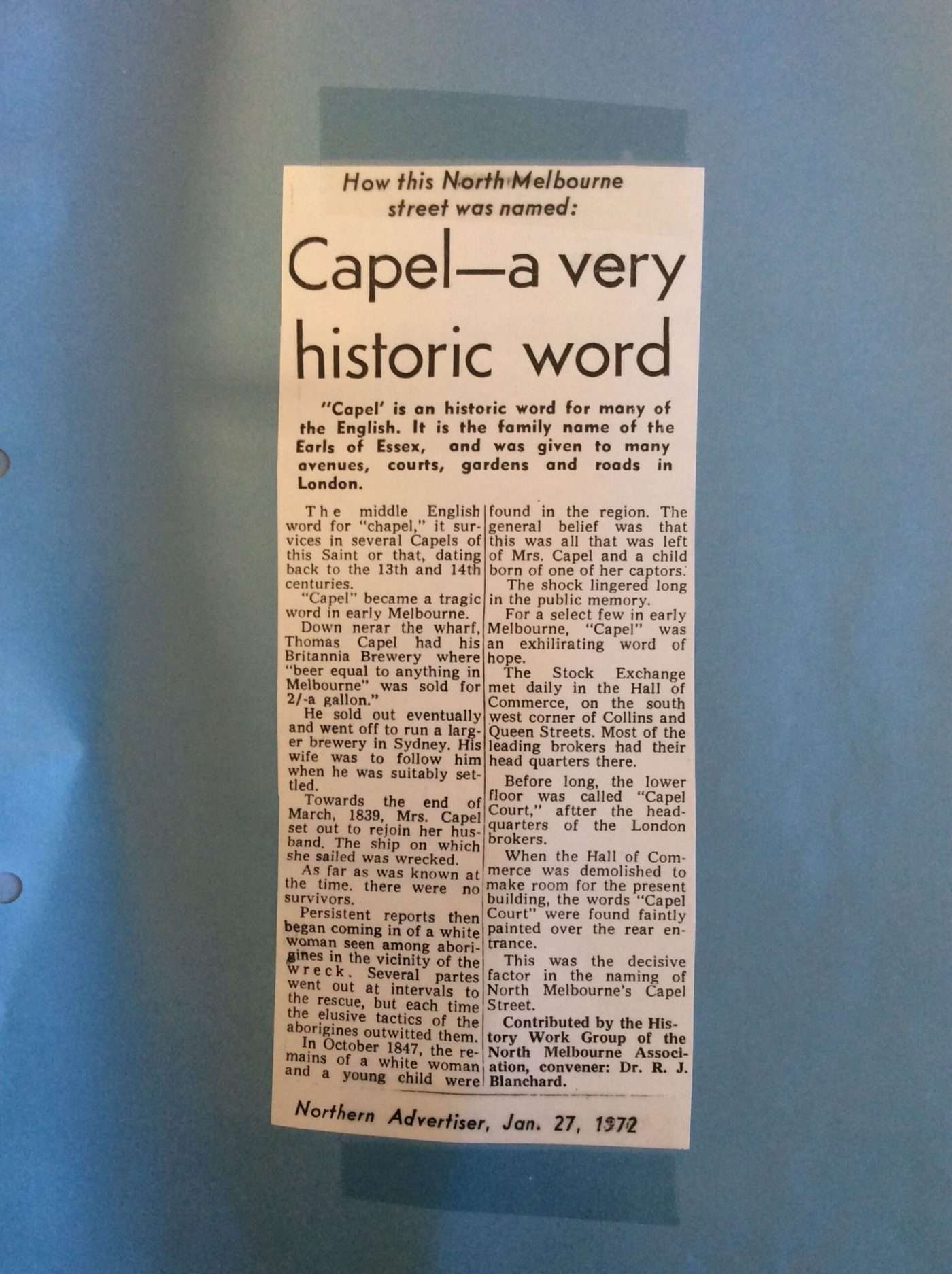
Capel Street
Capel Street begins in West Melbourne where it intersects with William Street before it heads north and ends when it runs into Bedford Street, North Melbourne. It is thought the street was named after Thomas Bladen Capel, a Londoner born in 1776, the son of William Capel and Harriet Bladen. He had a distinguished naval career, fighting for his king in the 1805 Battle of Trafalgar against the French and Spanish during the Napoleonic Wars. Capel Street’s earliest residents began settling in around 1854, six years before the street was officially documented in the government gazette. The area’s first significant landmark, known then as the cattle yard, had begun even earlier, in 1842, on the corner of Elizabeth and Victoria Streets. The street was first mentioned in the Argus in August, 1854, in an advertisement placed by local resident George Holt Miller, a master wheelwright and farrier. He announced his interest in selling two superior Scottish-built Whitechapel two-wheeled spring-carts, then all the rage in London. Miller has his own intriguing story. After arriving in Port Phillip in 1833 as a six-year-old, later in adulthood, he married Sarah Lambert in 1851. After she died during child birth, George married Helen McPherson …
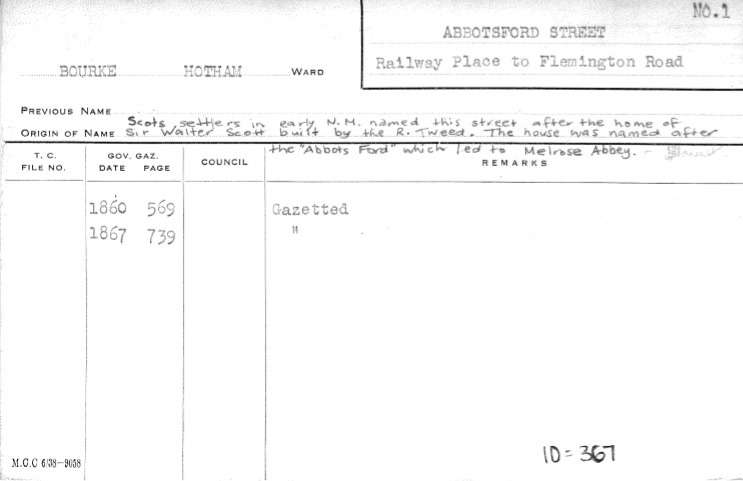
Abbotsford Street
Abbotsford Street runs like a spine through North and West Melbourne. Its unusual name springs from a connection with famous Scottish novelist Sir Walter Scott and his home in the Scottish Boarders. In about 1811, Scott bought his 100-acre Cartley Hole farm on the river Tweed. The site had a personal significance for him as it was close to the site of a final clan battle involving his forebears in 1526. In 1824, he built a new home on the farm, which he called Abbotsford House. The name was inspired by a nearby abbot’s ford across the shallows of the Tweed, used by Cistercian monks from the neighbouring Melrose Abbey, as they moved their cattle safely across the river. The Abbotsford Street we know today has its own rich history far removed from its namesake in Scotland. It was, like the rest of Melbourne, in an area of open bushland occupied by the Boon Wurrung and Wurundjeri peoples of the Kulin Nation. Some of the earliest homes in Abbotsford Street went up as early as 1859. Number 86 Abbotsford was built by Robert Bentley, an Englishman from Staffordshire, after he married Martha Redfern in 1841. They were both about 23 …
King Street
Street named after Captain Philip Gidley King, governor of New South Wales 1802-06, or King William IV, reigning monarch.
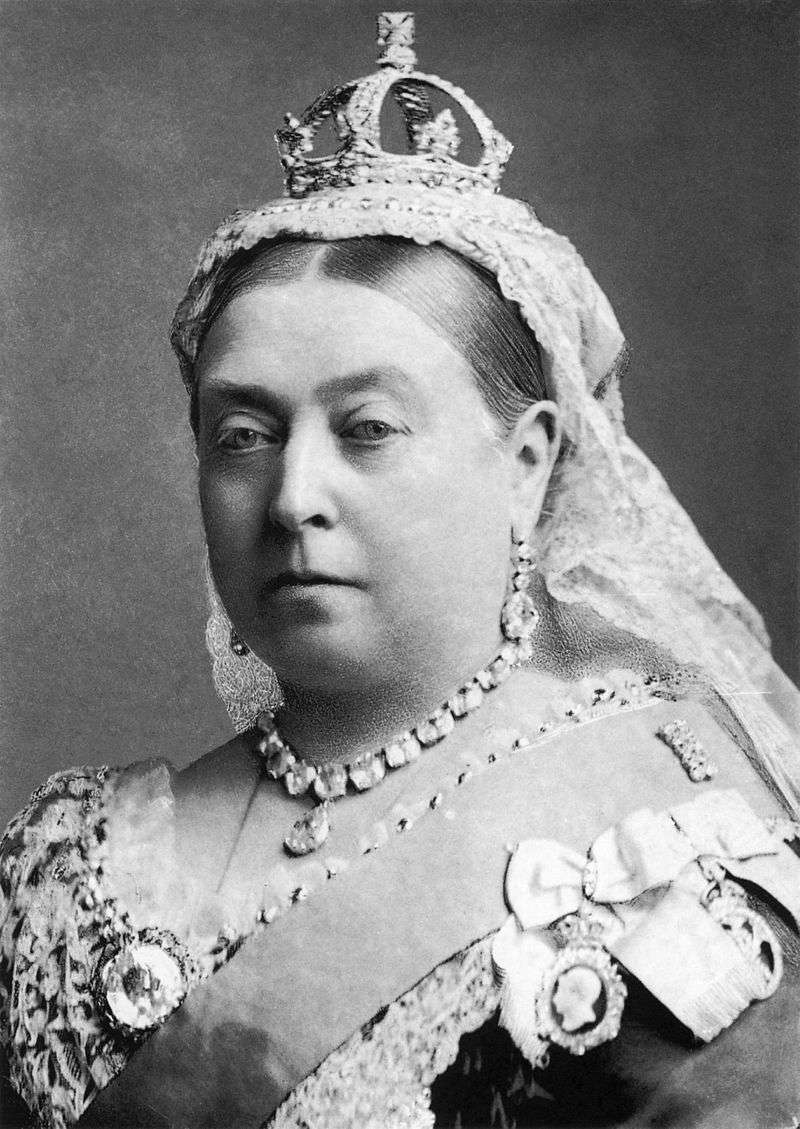
Victoria Street
Named after Queen Victoria.
Hawke Street
The street is thought to have been named after Edward Hawke. In the early 1850’s this area was wide open and unobstructed bush land unlike its built form of today. It was free of buildings and the land would have had easy sight of Port Phillip bay and the ships therein. W.M. Tennent writes “ Hawke street is most desirably situated, is a most healthy and elevated position and commands extensive views of the shipping in the bay and of all surrounding districts” The Argus October 6th 1853. Hawke street has 4 cross streets that intersect with it, them being King street, Spencer street, Adderley street and Railway Place. When the founding fathers of Melbourne came up with the names of the new streets, naming Hawke street as they did makes perfect sense. King street is thought to have been named after the then reigning monarch of England, Spencer street is thought to have been named after Lord Spencer, head of the Whig party in the English house of commons. Adderley street is thought to have been named after Charles Bowyer Adderley, an old Staffordshire family and his wife, the daughter of Sir Edmund Craddock-Hartop, 1st Baronet Adderley and …