Murphy Street

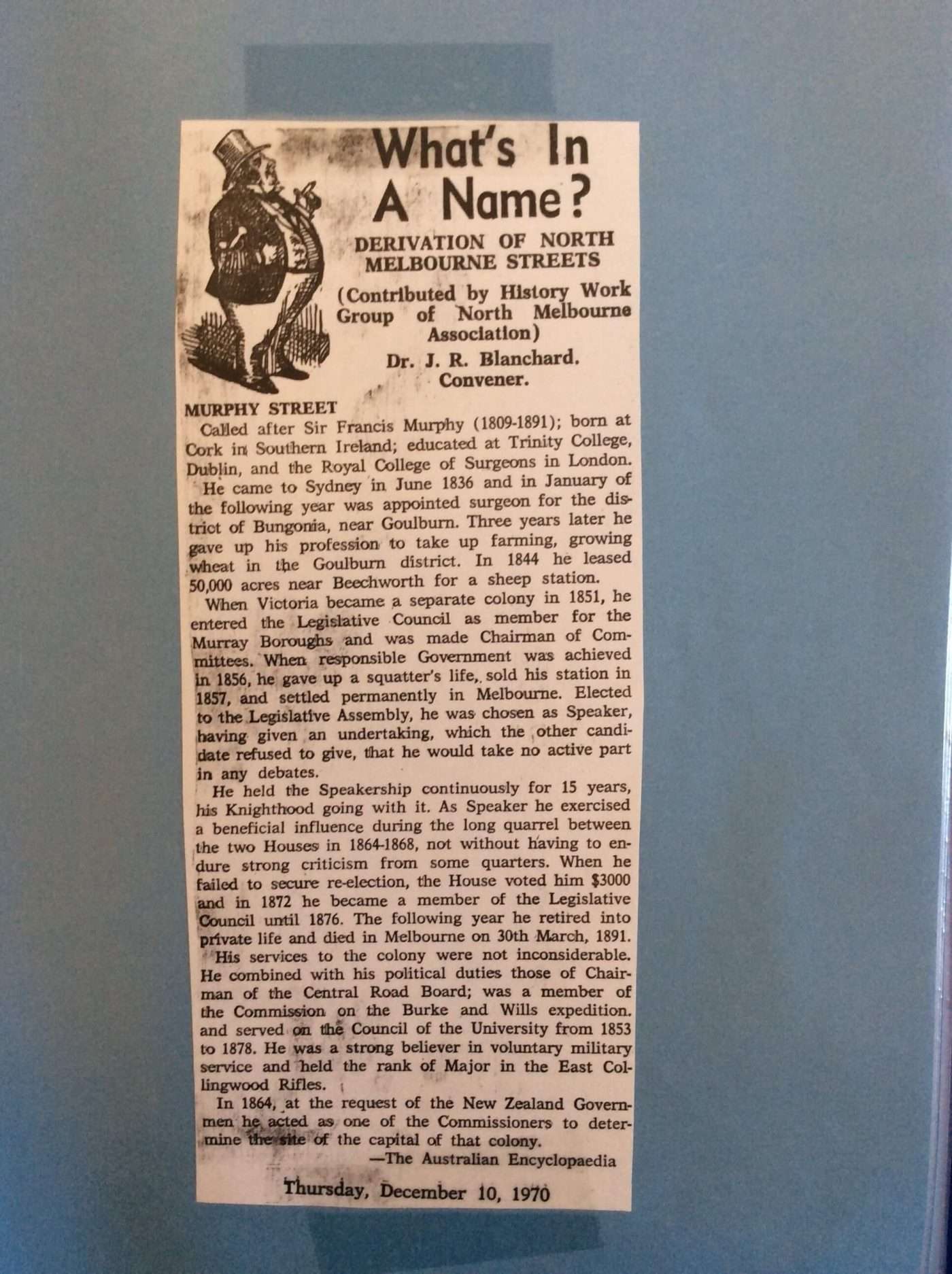
Named after Sir Francis Murphy (1809-1891); born at Cork in Southern Ireland; educated at Trinity College, Dublin, and the Royal College of Surgeons in London.(1) Source. (1) Northern Advertiser, 10/12/1970, Blanchard collection “What’s in a Name” and from The Australian Encyclopaedia at North Melbourne Library.

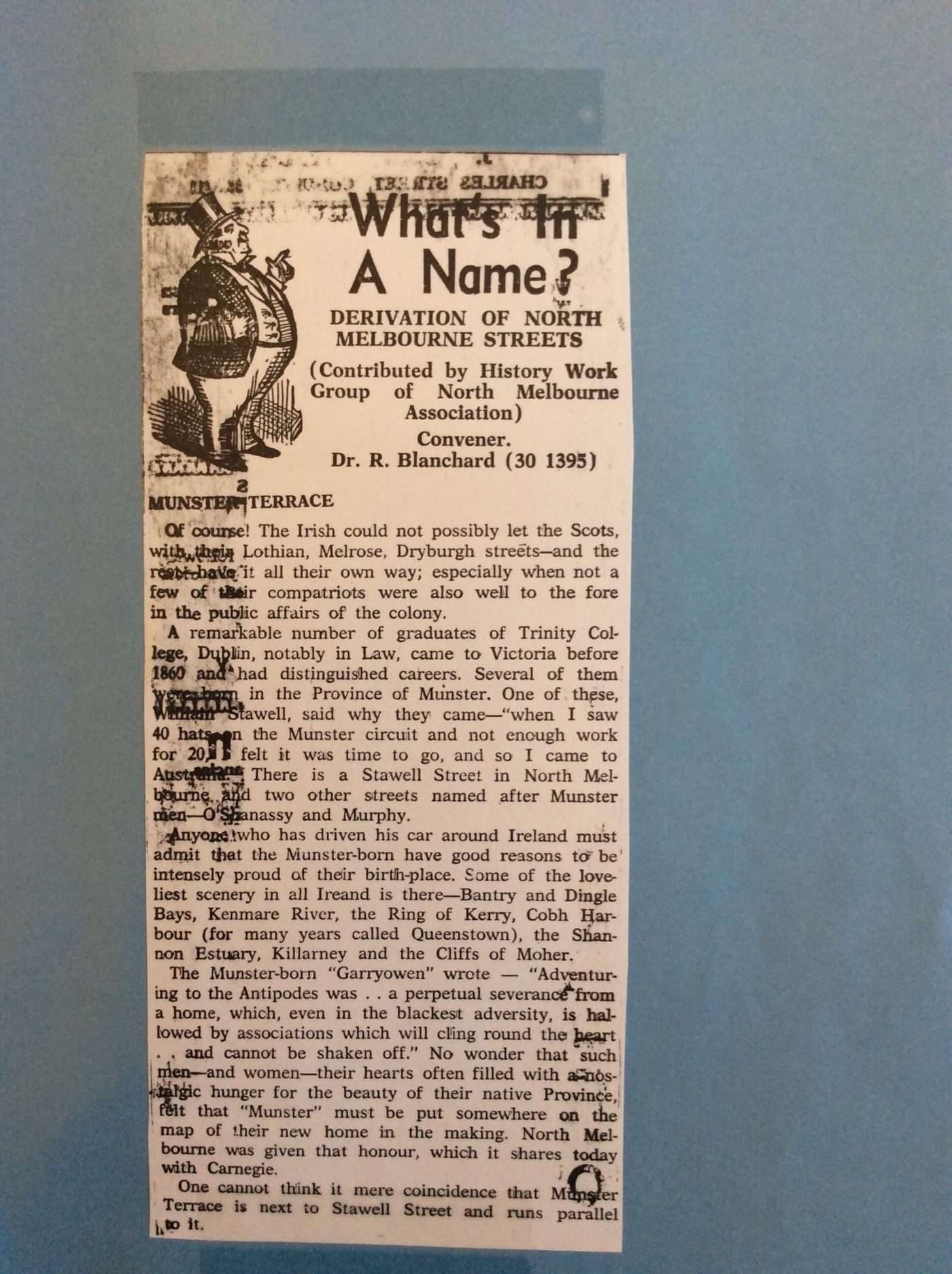
Munster Terrace

Of curse the Irish could not possibly let the Scots, with their Lothian, Melrose, Dryburgh streets—and the rest have it all their own way; especially when not a few of their compatriots were also well to the fore in the public affairs of the colony of Victoria. A remarkable number of graduates of Trinity College, Dublin, notably in Law, came to Victoria before 1860 and had distinguished careers. Several of them were born in the Province of Munster. One of these, William Stawell, said why they came—”when I saw 40 hats on the Munster circuit and not enough work for 20, I felt it was time to go, and so I came to Australia”. There is a Stawell Street in North Melbourne, and two other streets named after Munster men – O’Shanassy and Murphy. Anyone who has driven his car around Ireland must admit that the Munster-born have good reasons to be intensely proud of their birth-place. Some of the loveliest scenery in all Ireland is there—Bantry and Dingle Bays, Kenmare River, the Ring of Kerry, Cobh Harbour (for many years called Queenstown), the Shannon Estuary, Killarney and the Cliffs of Moher. The Munster-born “Garryowen” wrote — “Adventuring to the …

Molesworth Street

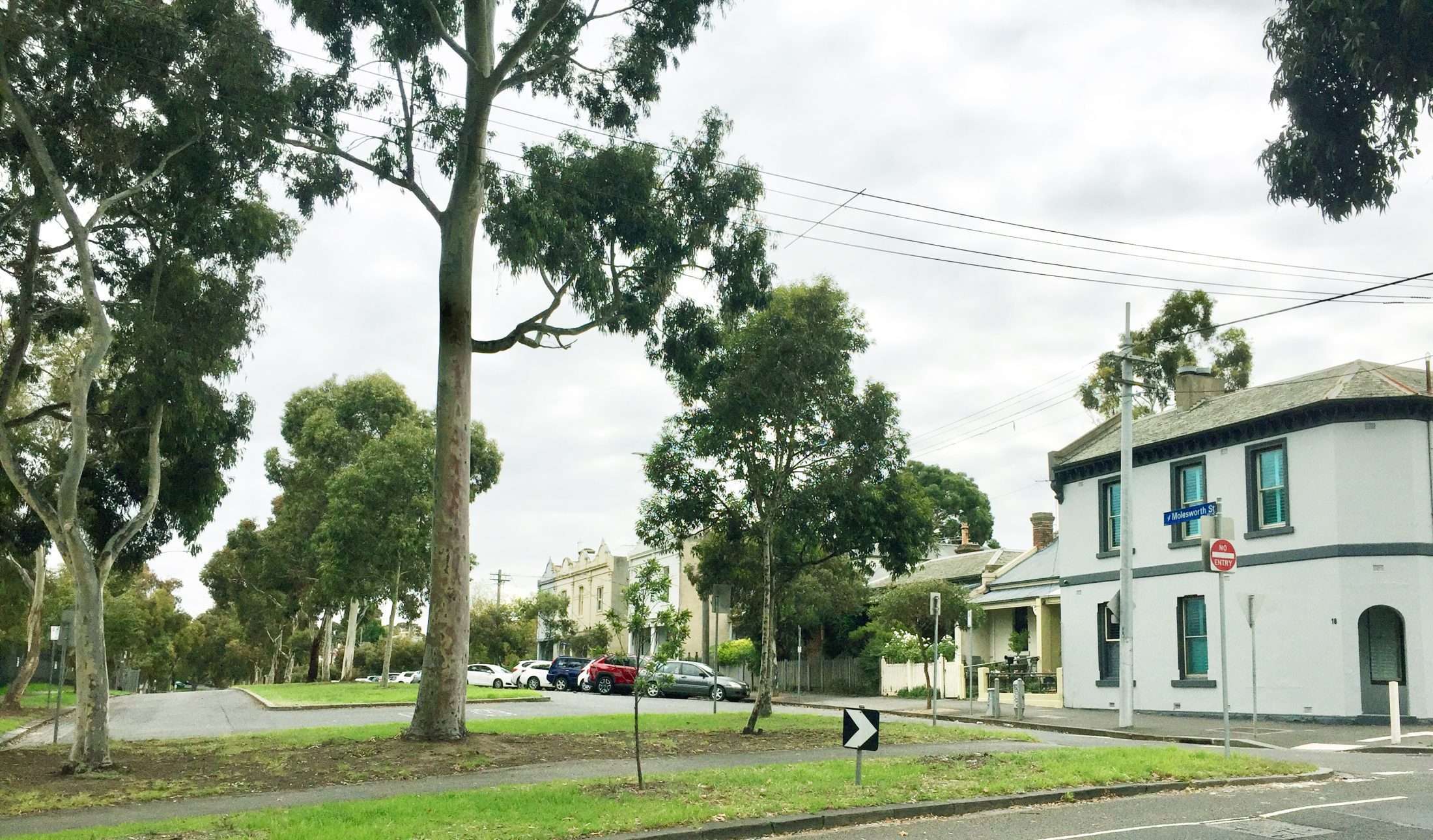
Molesworth, a Meritorious Melbourne Magistrate. Molesworth the street begins at Haines Street and ends at Abbotsford Street and according to North Melbourne historian Dr. J.R. Blanchard, the street is thought to have been named after Sir Robert Molesworth (1806-1890). Robert was born and raised in Ireland, he had a promising legal career on the Munster Circuit, and married a Reverend’s daughter in 1840. They set sail for Australia in the 1850s and established a legal practice in Melbourne at the dawn of the Victorian Gold Rush. By age 47, Robert was appointed acting Chief Justice in 1853 after William à Beckett stood aside due to illness. Molesworth’s career skyrocketed within a short space of time. Appointed Solicitor-General of Victoria by 1855, under Premier Haines. In 1856 Molesworth was appointed, a Supreme Court Judge and remained at the bar until retirement in 1886, aged 80. A hard worker, it was said he never took leave except for Court vacations. Noted for his industry, courtesy, learning and expedition; few of his legal decisions were successfully challenged in court. Chief Justice Griffith remarked in 1897, ‘It is a well-known fact that the mining law of Australia was practically made by the decisions of …

Melrose Street

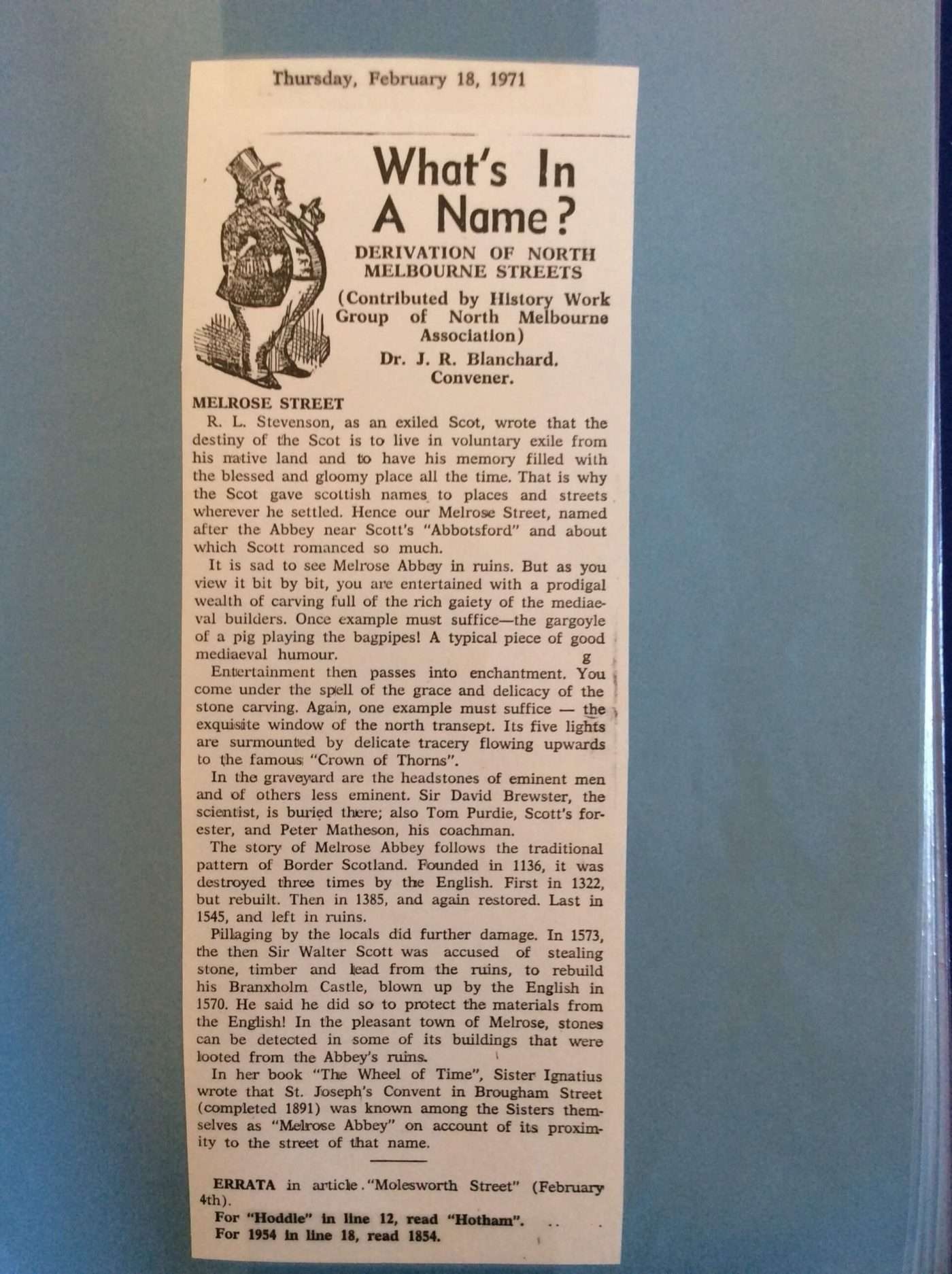
R. L. Stevenson, as an exiled Scot, wrote that the destiny of the Scot is to live in voluntary exile from his native land and to have his memory filled with the blessed and gloomy place all the time. That is why the Scot gave Scottish names to places and streets wherever he settled. Hence our Melrose Street, named after the Abbey near Scott’s “Abbotsford” and about which Scott romanced so much. It is sad to see Melrose Abbey in ruins. But as you view it bit by bit, you are entertained with a prodigal wealth of carving full of the rich gaiety of the medieval builders. Once example must suffice—the gargoyle of a pig playing the bagpipes! A typical piece of good medieval humour. Entertainment then passes into enchantment. You come under the spell of the grace and delicacy of the stone caning. Again, one example must suffice — the exquisite window of the north transept. Its five lights are surmounted by delicate tracery flowing upwards to the famous; “Crown of Thorns”. In the graveyard are the headstones of eminent men and of others less eminent. Sir David Brewster, the scientist, is buried there; also Tom Purdie, Scott’s forester, …

Mark Street

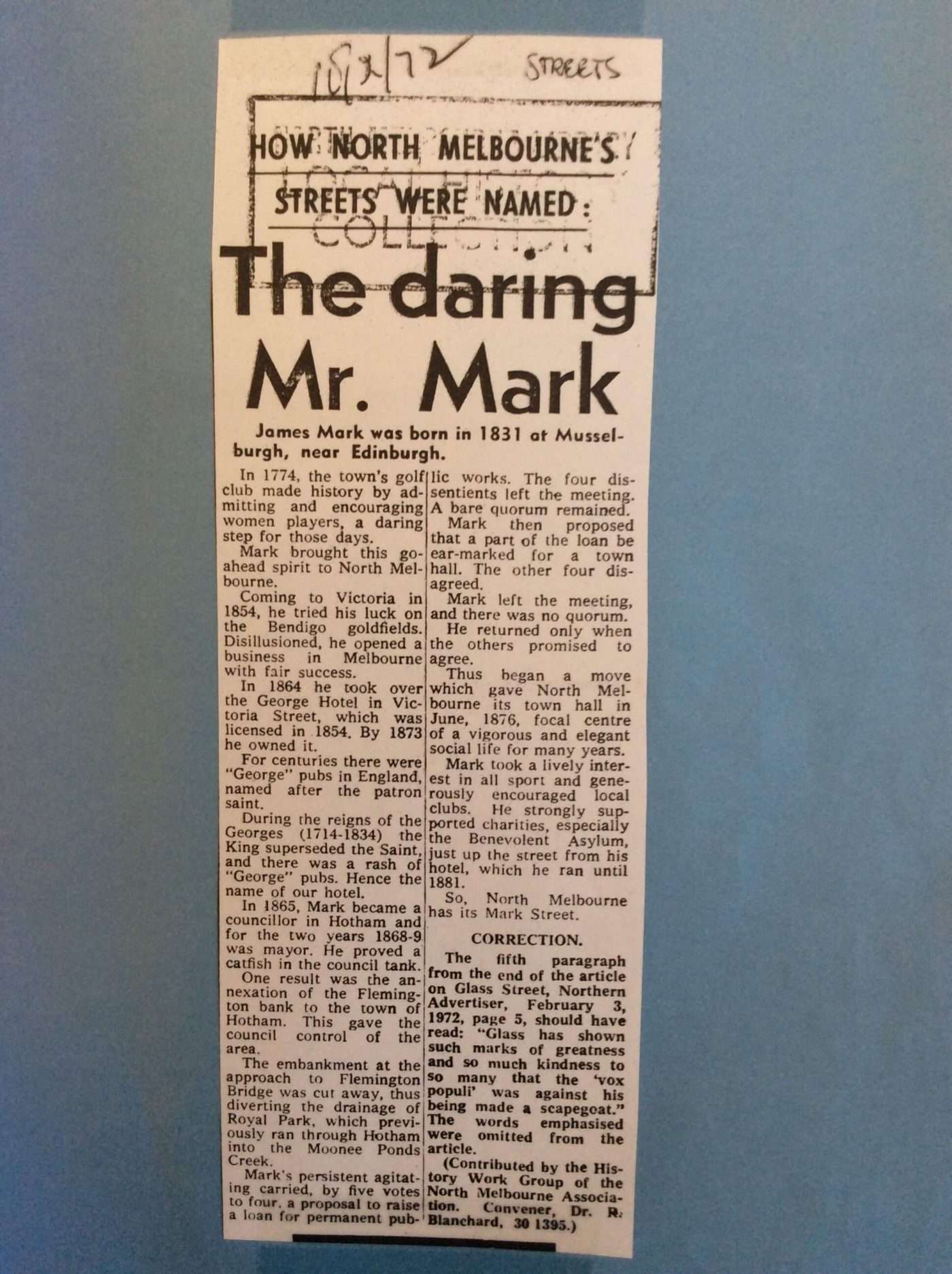
Named after James Mark who was born in 1831 at Musselburgh, near Edinburgh.(1) Source. Northern Advertiser, 10/2/1972. Blanchard collection, “What’s in a Name” at North Melbourne Library.

Stawell Street

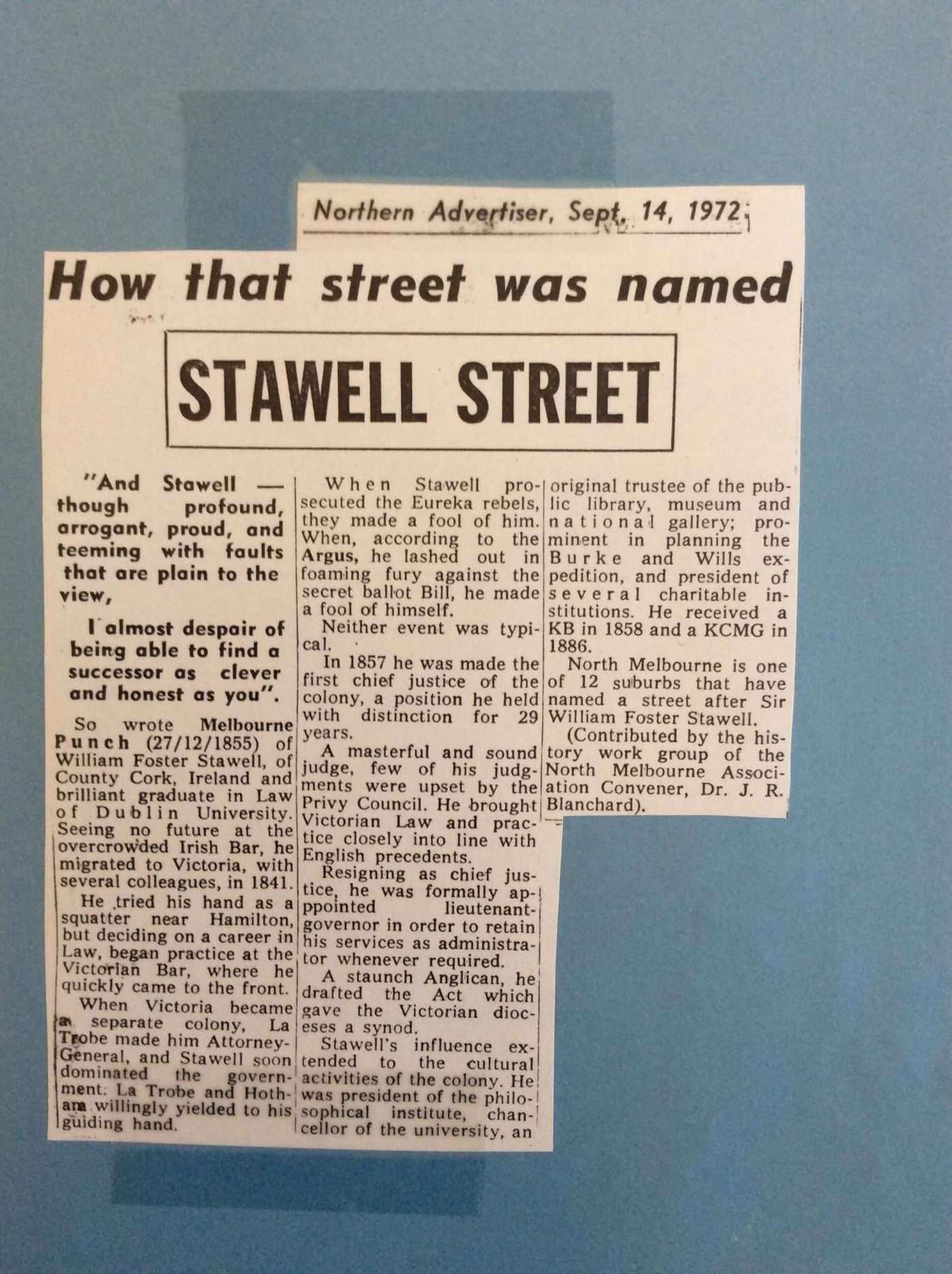
Named after Sir William Foster Stawell. North Melbourne is one of 12 suburbs that have named a street after Sir William Faster Stawell. Source. (1) Northern Advertiser, 14/9/1972. Blanchard collection, “What’s in a Name” at North Melbourne Library.

Macaulay Road

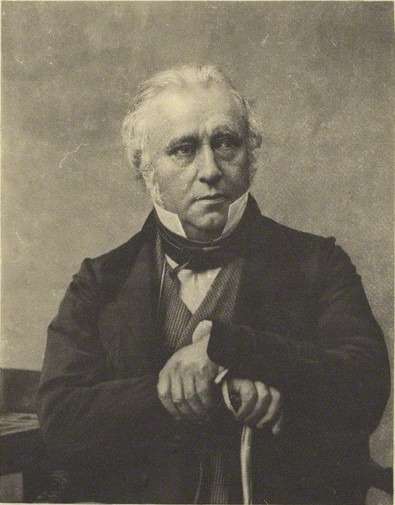
The names of at least 16 famous writers designate 10 streets in Greater Melbourne. Macaulay is one of them. In North Melbourne it adds to the number and fits into a pattern of Scottish street names. Beginning at Dryhurgh Street, it runs parallel to Shiel Street and provides an entrance to the southern end of Buncle (a Scot) Street. If Shiel Street recalls the Jacobites, Macaulay Road reminds one of its namesake’s detestation of Jacobitism. Thomas Bahington Macaulay was of Hebridean stock. For seven years he represented Edinburgh in the House of Commons, where he sat in Lord Melbourne’s Cabinet. He was a prolific contributor to the Edinburgh Review, which was widely read in the colonies. His History of England, a classic in spite of defects and a phenomenal best seller, was an invigorating tonic for battling colonists. It did what Macaulay said it would do —inspired hope. Source. (1) Northern Advertiser, May 10, 1973. Blanchard collection, “What’s in a Name” at North Melbourne Library.

Lothian Street

No novelist has read more widely in the early days of the colony than Sir Walter Scott. So Abbotsford Street was named after his home, Dryburgh Street after the abbey where he was buried. Lothian Street runs between them — Scott’s novel The Heart of Mid-Lothian was the favorite of many. “Lothian” comes from a root meaning low-lying. It was the name given to that part of Scotland’s Lowlands bounded on the north by the Firth of Forth, on the south by Lanark and Peebles, on the east by the North Sea and on the west by Stirling. The Scots and English fought for centuries to possess this tract of country, but the final battle made it part of Scotland for all time. It was worth fighting over. The soil is said to be the most fertile and easily worked in Britain. That prince of potatoes, the famous “Lothian Red”, has its home there. There are also the ruins of magnificent castles, the stately mansions of fine estates, the rolling summits of the Pentland Hills, which form the backbone of the land, beauties of coastline and woodlands, the numerous sites of battles famous in the nation’s annals, some of them …

Leveson Street

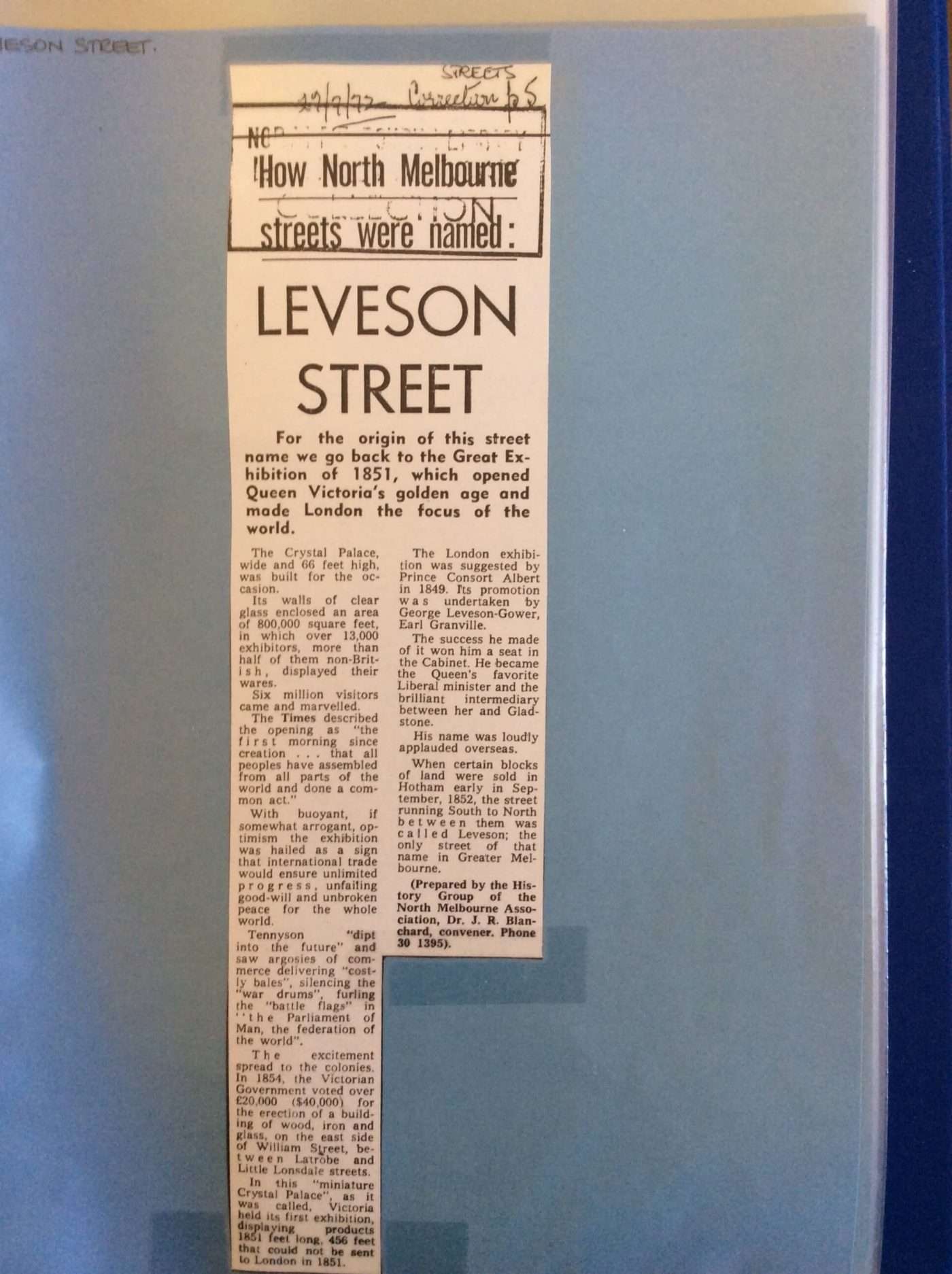
For the origin of this street name we go back to the Great Exhibition of 1851, which opened Queen Victoria’s golden age and made London the focus of the world. The Crystal Palace, 454 feet wide 1851 feet long and 66 feet high, was built for the occasion. Its walls of clear glass enclosed an area of 800,000 square feet, in which over 13,000 exhibitors, more than half of them non-British displayed their wares. Six million visitors came and marvelled. The Times described the opening as “the first morning since creation . . . that all peoples have assembled from all parts of the world and done a common act.” With buoyant, if somewhat arrogant, optimism the exhibition was hailed as a sign that international trade would ensure unlimited progress, unfailing good-will and unbroken peace for the whole world. Tennyson “dipt into the future” and saw argosies of commerce delivering “costly bales”, silencing the “war drums”, furling the “battle flags” in ‘the Parliament of Man, the federation of the world”. The excitement spread to the colonies. In 1854, the Victorian Government voted over £20,000 ($40,000) for the erection of a buildnig of wood, iron and glass, on the east side …
Laurens Street

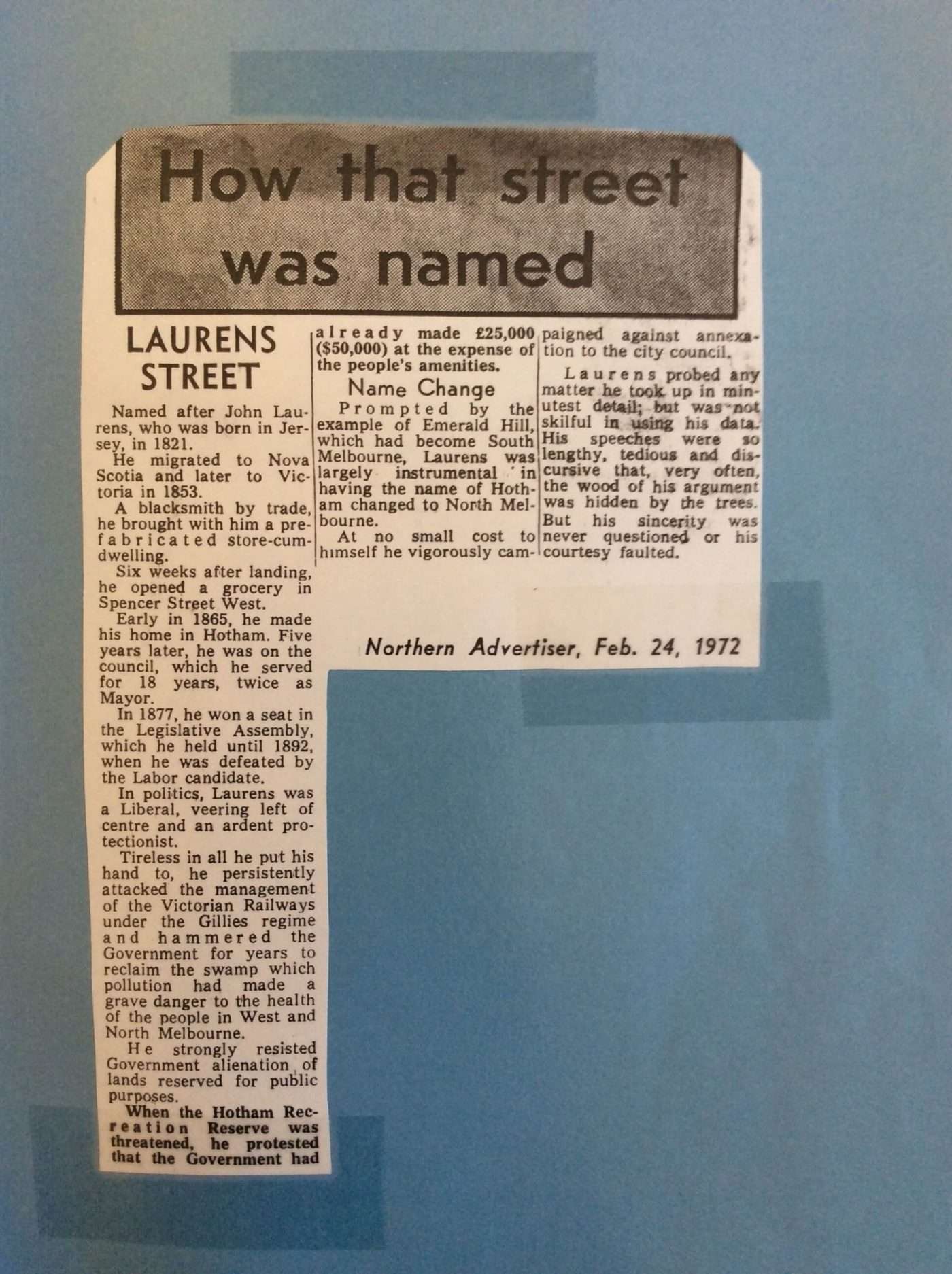
Named after John Laurens, who was born in Jersey, in 1821.(1) Source. (1) Northern Advertiser, Feb. 24, 1972. Blanchard collection, “What’s in a Name” at North Melbourne Library.